01
A Future of Purposeful Learning and Growth
To contribute to a world where individuals and organizations can discover their potential, develop meaningful capabilities and find purposeful paths for growth and contribution.
Creating meaningful learning and development experiences that connect knowledge, skills, purpose and real-world application.
Select a programme to explore its content, applications and future scope, or select a trainer to view their professional profile.
Meet the professionals who contribute specialised experience in life skills, leadership, digital business, technology, communication and career development.

Mechanical Engineering Educator • Industry Expert • Consultant
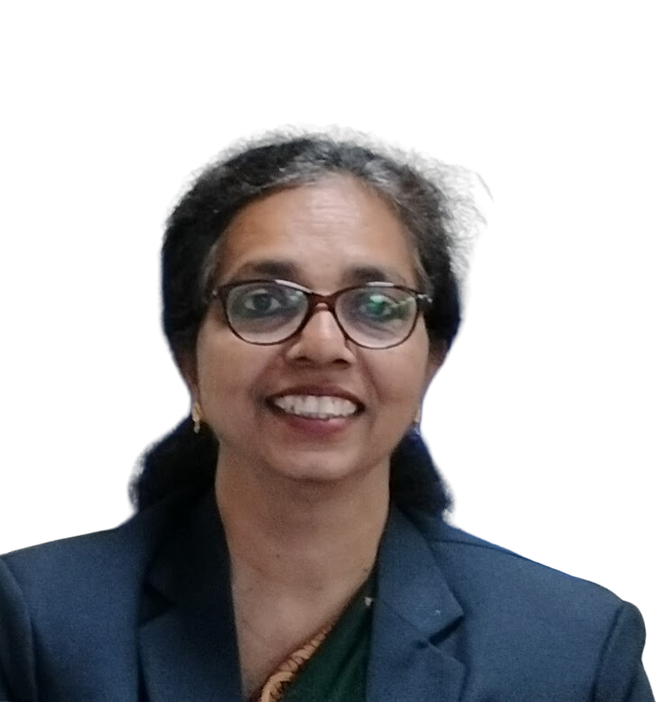
Life Skills Trainer and Leadership Coach

Business Coach, E-commerce Consultant and Digital Marketing Trainer
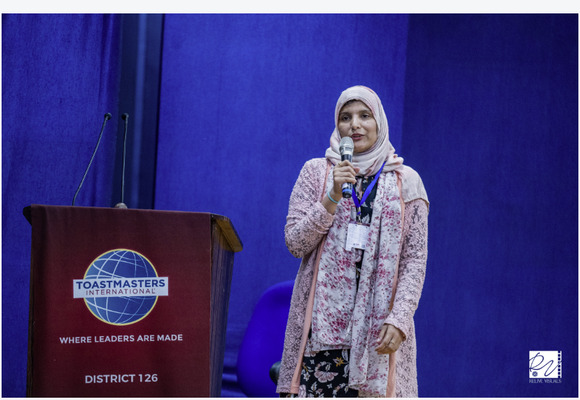
Master Trainer and Transformation Coach

Python Trainer, Data Science Enthusiast and Emerging Educator

Entrepreneur, CEO and E-commerce Expert
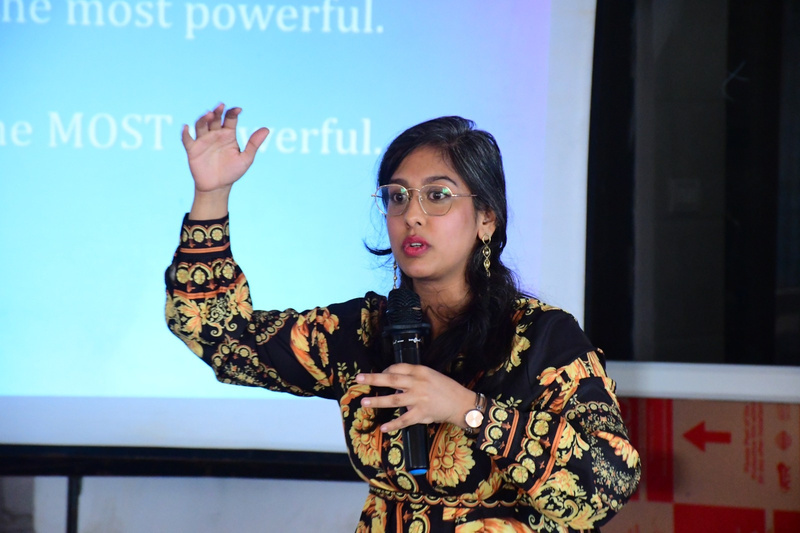
Life and Mindset Coach, English Language Coach and YouTuber
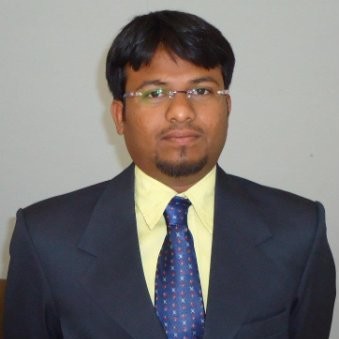
Data Scientist, AI Consultant and Corporate Trainer
RealPath Academy is an education, training and consultancy organization working with academic institutions, professionals and organizations to create meaningful opportunities for learning, development and growth.
We bring together knowledge, skills and real-world application to help individuals and organizations navigate change, develop their capabilities and move forward with greater confidence and purpose.
Our work extends from academic and career development to professional learning, leadership development and organizational growth, through programmes, training initiatives and customized solutions.
At RealPath Academy, we believe meaningful learning should go beyond acquiring knowledge. It should create the understanding, capability and confidence to turn learning into action and purposeful progress.
To contribute to a world where individuals and organizations can discover their potential, develop meaningful capabilities and find purposeful paths for growth and contribution.
To create meaningful learning and development experiences that help individuals and organizations discover potential, develop capability and turn knowledge into purposeful action.
Our programmes support people and organizations as they learn, adapt, perform and grow through application, collaboration, reflection and continuous development.
Our values guide how we design our programmes, work with people and build relationships.
Meaningful work begins with a clear sense of purpose. We connect learning and development with meaning, direction and contribution.
Meaningful relationships are built through respect, reliability, openness and mutual confidence.
We remain honest, responsible and principled—even when doing so is difficult, inconvenient or personally disadvantageous.
We believe meaningful development involves three interconnected stages.
Discover potential, strengths, interests, opportunities and possibilities.
Develop knowledge, skills, capabilities, confidence and character through meaningful learning and experience.
Direct those capabilities towards purposeful goals, meaningful action and positive contribution.
RealPath Academy was established with a simple belief: Learning becomes meaningful when it connects with life.
Our journey has been shaped by experience in education, teaching, training, leadership development and institutional engagement. These experiences reinforced our belief that effective learning is not simply about delivering information. It is about creating opportunities for people to understand, experience, reflect and apply.
As we grow, our aim is to create programmes and initiatives that help people discover possibilities, develop meaningful capabilities and move forward with clarity and purpose.
Learners today need more than academic knowledge. They need to think critically, communicate effectively, solve unfamiliar problems, collaborate, adapt and make informed decisions.
Connect with RealPath Academy for academic programmes, training initiatives, professional development and customized consultancy solutions.
Location: Humayun Nagar, Mehdipatnam, Hyderabad, Telangana, India
Website: realpathacademy.com
Career planning is a structured process of understanding interests, strengths, values, abilities and aspirations, and connecting them with suitable educational and professional opportunities. RealPath Academy helps students and professionals make informed decisions and develop practical action plans.
The programme supports school subject selection, higher-education choices, graduate employability, career transitions and institutional career-guidance initiatives. It also prepares learners for changing opportunities influenced by technology, entrepreneurship, sustainability and emerging industries.
Participants gain stronger self-awareness, clearer career direction, realistic goals, better decision-making ability and an individual career action plan. Programmes may be offered as workshops, counselling sessions, bootcamps or customised institutional programmes.
Trainer: Abid Mohiuddin
View Trainer Profile →RealPath Academy helps learners move beyond passive technology use and understand how digital tools, data and intelligent systems work. The programmes combine clear instruction, practical exercises and project-based learning.
Technology education develops curiosity, logical thinking, creativity, experimentation, problem-solving, data awareness and ethical responsibility. It enables learners to become creators, innovators and responsible contributors rather than only consumers of technology.
Participants can apply these capabilities in education, business, research, healthcare, automation, entrepreneurship and social-impact projects. They build technical confidence, computational thinking and a foundation for future careers in AI, software, analytics, cloud computing and other emerging fields.
Trainer: Sanjeevani Shere
View Trainer Profile →Qualifications and technical knowledge become more valuable when individuals can communicate clearly, understand others, manage responsibilities and work effectively in teams. RealPath Academy uses practical activities, examples and guided practice to develop these capabilities.
These skills strengthen classroom participation, interviews, teaching, customer interaction, teamwork, leadership and workplace performance. Participants develop confidence, active listening, professional conduct, better time management and the ability to build productive relationships—capabilities required across every career and industry.
Trainer: Salma Khan
View Trainer Profile →This programme helps students, educators and professionals examine information objectively, identify underlying causes and develop practical, well-reasoned solutions. Structured methods, discussions and activities help participants move beyond memorisation and assumption-based decisions.
These skills support academic learning, research, career planning, leadership, engineering, technology, entrepreneurship, project management, conflict resolution and everyday decision-making.
Participants learn to distinguish facts from assumptions, analyse patterns, consider multiple perspectives and make informed decisions. As AI, automation and rapidly changing information reshape society, independent thinking and the ability to solve unfamiliar problems will become increasingly valuable.
Trainer: Mohammed Shafi Uddin
View Trainer Profile →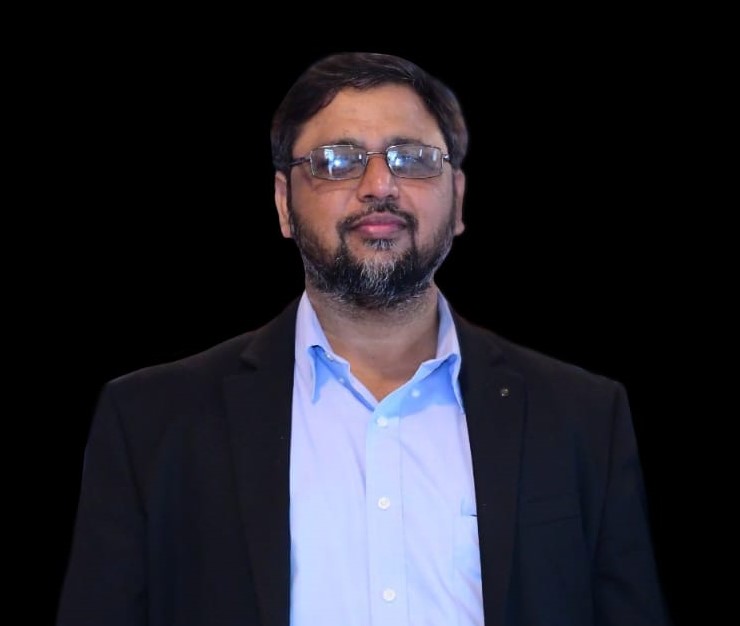
Abid Mohiuddin is an educator and learning-and-development professional with an M.Tech. in Mechanical Engineering. He conducts practical workshops for students, educators and professionals across schools, colleges, universities and organisations.
His approach combines simplicity, visionary thinking, originality and humility. He received the Excellent Teaching Practices Award at King Khalid University, Saudi Arabia, and authored Life Skills for Children. His institutional engagements include IIIT Basar, IIIT Nuzvid, IIIT Ongole, Government Degree College Nampally and several other educational institutions.

Sanjeevani Shere is a technology trainer from Navi Mumbai with more than ten years of experience in technical training, curriculum development, learner mentoring and practical project delivery.
She has trained learners through schools, academies and professional organisations, combining clear explanations with hands-on exercises, assessments and projects. Her professional training includes Data Science, Power BI and SQL, and Microsoft Azure courses AZ-900, AZ-104 and AZ-305.
Develop practical skills through structured learning, guided exercises and projects. Choose a Certificate Course for core skills or an Advanced Certificate Programme for deeper learning and more extensive project work.
Certificate: 3 months
Advanced Certificate: 6 months
Eligibility: Basic computer skills; no coding experience required. Advanced foundations included.
View syllabus →Certificate: 3 months
Advanced Certificate: 6 months
Eligibility: Class XII or equivalent; basic computer skills and mathematics.
View syllabus →Certificate: 4 months
Advanced Certificate: 9 months
Eligibility: Certificate: basic Python, mathematics and statistics. Advanced: Class XII mathematics or equivalent knowledge; basic Python.
View syllabus →Certificate: 3 months
Advanced Certificate: 9 months
Eligibility: Basic Python and mathematics; advanced learners also need basic statistics.
View syllabus →Certificate: 4 months
Advanced Certificate: 9 months
Eligibility: Python, basic statistics and data handling; advanced readiness assessed before admission.
View syllabus →Certificate: 2 months
Advanced Certificate: 6 months
Eligibility: Basic computer skills for certificate; basic Python for advanced application development.
View syllabus →Certificate: 3 months
Advanced Certificate: 6 months
Eligibility: Basic computer skills; networking helpful. Advanced: basic IT and networking knowledge.
View syllabus →Need help choosing a course or planning training for your institution?
Discuss Your Learning Goals →Duration includes guided learning, practice, assignments and project work. Batch schedules, teaching hours, delivery options and fees are provided before enrolment.
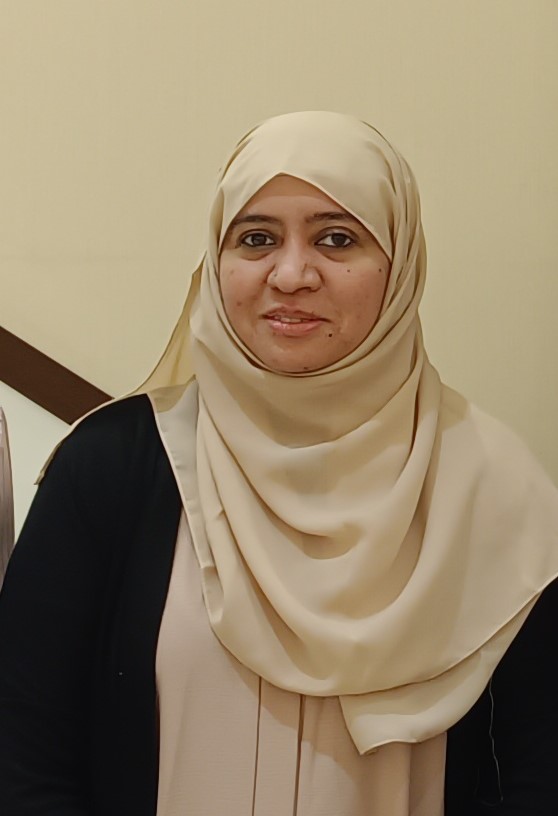
Salma Khan is a soft-skills trainer and leadership coach with a multidisciplinary background in communication, professional grooming, Montessori education and behavioural development.
Her training is simple, practical and activity-oriented, helping participants apply complex ideas confidently in real situations. Her professional engagements include Joy Alukkas, Conrad Hilton, Hilton Garden Inn, The Ritz-Carlton Bangalore, Sheraton Grand, Forum Mall, Treamis International School and Suffah Public School.
Mohammed Shafiuddin holds a Master of Engineering degree in Mechanical Engineering and has more than 25 years of combined experience in higher education and industry in India and Saudi Arabia. He received the Excellence in Academic Education Award from King Khalid University.
He has taught and mentored engineering students, supervised projects, contributed to curriculum development and supported career planning. His academic leadership responsibilities included coordinating examinations and helping plan institutional events, while his industrial experience enables him to connect theory with professional practice.
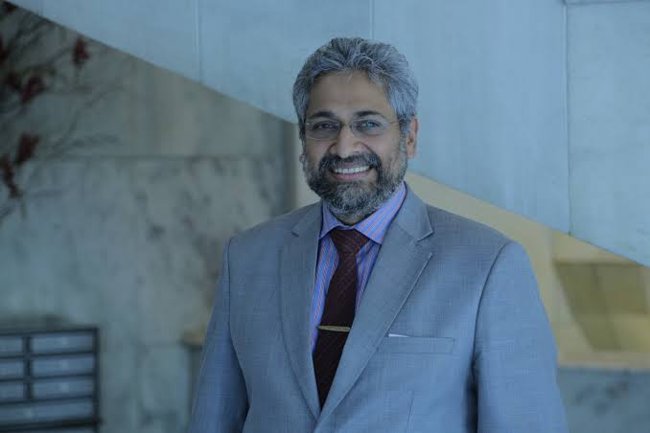
Journalism and the Cost of Lies: Ethics, Accountability and Public Responsibility
Ethical Journalism: Principles, Courage and the Pursuit of Justice
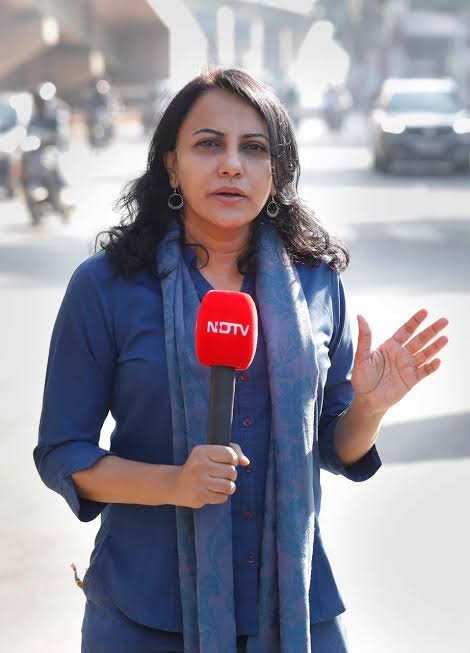
Journalism and Nation Building: Informing, Uniting and Strengthening Society
Select a category to explore.
Select a category to explore.
Free participation for students aged 13–25 on 17 January 2027. Students from across India are welcome to attend the event in Hyderabad.
Essays and videos are optional. Contributions are voluntary and are not required for registration or selection. Participation confirmation will be communicated separately.
Contribute ₹100 or any amount of your choice to support youth participation and responsible journalism.
Your contribution helps support venue arrangements, participant facilities, educational materials, technical production, speaker travel and outreach.
Contributions are voluntary. Student registration is free, and contributing does not affect registration, selection or awards.
Pay securely using the button below.
Contribute ₹100UPI ID: mohiuddinabid@oksbi
Open UPI AppEnter your preferred amount in your UPI app. On a computer, use this UPI ID in your phone’s payment app.
RealPath Academy is a sole proprietorship owned by Abid Mohiuddin. Contributions through this bank account or UPI may display his name as the recipient.
Updated: 10 October 2026
This policy explains how RealPath Academy handles information in connection with www.realpathacademy.com, its educational resources, programmes, enquiries, registrations and contributions.
We receive information you choose to send through enquiries, email, programme registrations or submissions. Depending on the activity, this may include your name, contact details, age, institution, city, parent/guardian details and submitted materials. Payment providers may provide transaction records.
We use information to respond to enquiries, administer educational services and programmes, process registrations, review submissions, communicate relevant updates and maintain payment and administrative records.
Where a website form prepares an email, the information reaches us only after you send the email through your configured email application. Follow the instructions beside each form.
Payments are handled through external payment providers, banks or UPI applications. We do not collect card details, bank passwords, OTPs or UPI PINs through our website forms. The payment provider’s own privacy policy also applies.
We do not sell personal information. Information may be accessed by people and service providers involved in delivering the requested service or administering a programme, and may be disclosed where legally required. We do not treat the submission of personal information or educational work as automatic permission to publish it.
The website may link to or embed external services, including maps, videos and payment pages. These services may receive technical information such as your IP address and may use cookies under their own policies. Website hosting services may also maintain technical logs for operation and security.
Parents or guardians should guide children’s use of the website and provide declarations where required for a particular programme. Parents or guardians may contact us about information relating to their child.
We retain information for the purposes for which it was provided and for applicable administrative, accounting or legal requirements. Contact us to request access, correction or deletion, or to stop optional communications. We will review your request and explain any records that must be retained.
We take reasonable steps to protect information we hold. No online service can guarantee absolute security. Changes to this policy will be published here with an updated date.
RealPath Academy
10-3-277/2/B, Humayun Nagar, Hyderabad.
Phone: 8712403856 / 9951642574
Email: realpathacademy@gmail.com
Updated: 10 October 2026
These terms apply to use of www.realpathacademy.com and its educational content, resources, enquiry facilities and information about RealPath Academy’s services and programmes.
Use the website lawfully and respectfully. Do not interfere with its operation, attempt unauthorised access or submit misleading, harmful or unlawful material. Provide accurate information when making an enquiry or registering for a service.
Resources are intended to support learning and general understanding. We aim to keep information accurate and welcome reports of errors. Resources may be updated and should be used alongside the relevant syllabus, teaching guidance or official source where appropriate.
You may access and use resources for personal study and classroom reference. Do not reproduce or distribute our original content commercially without permission. Third-party content remains subject to its owner’s rights and any stated licence.
Eligibility, registration arrangements, schedules, fees, participation requirements and awards are stated on the relevant programme or service page. Those specific details should be read alongside these general website terms. Changes will be communicated through the relevant page or contact details where appropriate.
Submit only material you created or have permission to share. You retain ownership of your work. Submission allows us to review it for the stated purpose and does not automatically authorise publication.
Check the amount, purpose and recipient before authorising a payment. Any fees or voluntary contribution arrangements are described on the relevant page. Payments through external providers are also subject to their terms. For payment errors, cancellations or refund queries, contact us with the relevant transaction reference; requests are reviewed according to the applicable service arrangements and rights.
External websites, maps, email applications and payment services operate independently under their own terms. Review their policies when using them.
Website content and services may change or be temporarily unavailable for maintenance or other reasons. We do not promise uninterrupted access or specific academic, career or professional outcomes from using the website. Nothing in these terms excludes rights that cannot lawfully be excluded.
Our Privacy Policy explains how information is handled. Updated terms will be published on this page.
RealPath Academy
10-3-277/2/B, Humayun Nagar, Hyderabad.
Phone: 8712403856 / 9951642574
Email: realpathacademy@gmail.com
Certificate and Advanced Certificate programmes with practical assignments and projects.
Ask about eligibility, schedules, teaching hours, delivery options and fees. Institutions can request workshops or structured programmes for their learners.
Phone: +91 87124 03856

Umama Tabassum Memon is a Mumbai-based training professional associated with UMplify Training and Consulting Services. Her work focuses on communication, professional presence and leadership development.
Her volunteer experience includes Vice President Education at Toastmasters International in 2018 and Lead Chair at TLC Masterminds during 2022–2023.
B.Ed. (Special Education), M.Ed. and M.Sc. (Psychology)
More than two decades of experience in website development, e-commerce and digital marketing.
A certified HubSpot Inbound Marketing and Google Ads professional, he has helped businesses grow online since 2002. His training combines practical industry insights, digital content and real-world strategies to help individuals and businesses succeed in the digital economy.
MCA Gold Medallist, PMP-certified Management Consultant, NLP Practitioner and Life Coach with 15 years of learning-and-development experience.
A dedicated trainer with an academic foundation in data science and an emphasis on accessible, practical learning.
Her teaching focuses on clarity, simplicity and real-world application. Experience in web development, content creation, social-media management, team leadership, hackathons and innovation programmes supports her goal of helping beginners develop practical knowledge and confidence.
More than eight years of experience helping learners build and manage online ventures.
His engineering and legal background contributes analytical and strategic depth. He uses hands-on learning, live case studies and practical implementation to help aspiring entrepreneurs move from theory towards sustainable online business.
Certified TEFL Tutor and Master Trainer with more than seven years of international teaching and coaching experience.
Author of Prayers of the Dying Undead and creator of the YouTube channels Figuring It Out Alive and Language Is Fun. Her humble, authentic and compassionate approach helps learners understand how emotions, beliefs and attitudes influence success and happiness.
An IT professional and trainer with more than 15 years of combined experience in industry and engineering education. He is pursuing a Ph.D. in Information Technology with Artificial Intelligence as his research area.
His experience includes four years as a Data Scientist and AI Consultant at Tata Consultancy Services and ten years in engineering academia. He has served as a Head of Department, Assistant Placement Officer, Project Coordinator and Online Examination Coordinator.
He has conducted more than 50 guest lectures, Faculty Development Programmes and technical workshops, and has trained and mentored engineering students, faculty members and working professionals.
The Career Planning Summit 2027 will feature keynote addresses, featured presentations, open forums, audience-participation activities and opportunities for professional interaction.
| Time | Programme |
|---|---|
| 8:30–9:30 a.m. | Registration, welcome refreshments and arrival of guests |
| 9:30–9:45 a.m. | Inaugural Ceremony |
| 9:45–10:00 a.m. | Chief Guest's Address: Education, Ethical Journalism and Nation Building |
| 10:00–10:30 a.m. | Opening Keynote: Journalism and the Cost of Lies: Ethics, Accountability and Public Responsibility |
| 10:30–10:50 a.m. | Audience Participation Block 1: Digital Quiz Round 1 and three student video messages |
| 10:50–11:30 a.m. | One-to-One Conversation: Ethical Journalism: Principles, Courage and the Pursuit of Justice |
| 11:30–11:45 a.m. | Tea and networking break |
| 11:45 a.m.–12:05 p.m. | Featured Address: From Potential to Profession |
| 12:05–12:25 p.m. | Featured Address: Innovation and Entrepreneurship in Journalism and Digital Media |
| 12:25–12:40 p.m. | Audience Participation Block 2: Digital Quiz Round 2 and three student video messages |
| 12:40–1:20 p.m. | Open Forum: From Potential to Impact |
| 1:20–2:15 p.m. | Lunch, prayer and networking break |
| 2:15–2:35 p.m. | Featured Address: Faith, Sacred Figures and Journalism |
| 2:35–3:15 p.m. | Moderated Open Forum: Faith, Sacred Personalities, Freedom of Expression, Media Narratives and Responsible Journalism |
| 3:15–4:05 p.m. | Thematic Speaker Series: Journalism and the Power of Narratives |
| 4:05–4:25 p.m. | Open Forum: Journalism and the Power of Narratives |
| 4:25–4:40 p.m. | Tea and networking break |
| 4:40–4:55 p.m. | Audience Participation Block 3: Digital Quiz Final Round and three student video messages |
| 4:55–5:20 p.m. | Featured Address: Journalism and Nation-Building |
| 5:20–5:40 p.m. | Closing Keynote: Young Voices in Digital Journalism: Vision, Transformation and the Global Media Landscape |
| 5:40–6:05 p.m. | Addresses by three Guests of Honour |
| 6:05–6:30 p.m. | Felicitation Ceremony |
| 6:30–6:45 p.m. | Summit Declaration, Ethical-Journalism Commitment, Future Initiatives and Recognition of the Digital Knowledge Champion |
| 6:45–7:00 p.m. | Vote of Thanks and Closing Remarks |
| From 7:00 p.m. | Official photographs, media interactions, refreshments and informal networking |
The Summit will bring together experienced journalists, educators, academics, media professionals, career-development experts and other distinguished voices to share their knowledge and perspectives.
Profiles are being published progressively.
Professor and Head, Department of Mass Communication and Journalism, Maulana Azad National Urdu University (MANUU)
Associated with the Summit as an Advisory Committee Member, Featured Speaker and Open Forum Panellist.
View Full Profile →Theologian, philosopher, writer and speaker
Known for promoting interfaith dialogue, communal harmony and compassionate human values.
View Full Profile →Journalist, editor, author and journalism educator
Former Readers’ Editor of The Hindu and an experienced voice on media ethics, accountability and public trust.
View Full Profile →Founding Editor, The Wire
View Full Profile →Journalist
View Full Profile →
A respected voice promoting interfaith dialogue, communal harmony and compassionate human values.
Maulana Syed Taqi Raza Abidi is a theologian, philosopher, writer and speaker who has worked to advance interfaith understanding, social harmony and constructive engagement among communities. His academic background includes advanced study and research in Islamic sciences and philosophy.
Faith, Sacred Personalities, Freedom of Expression, Media Narratives and Responsible Journalism
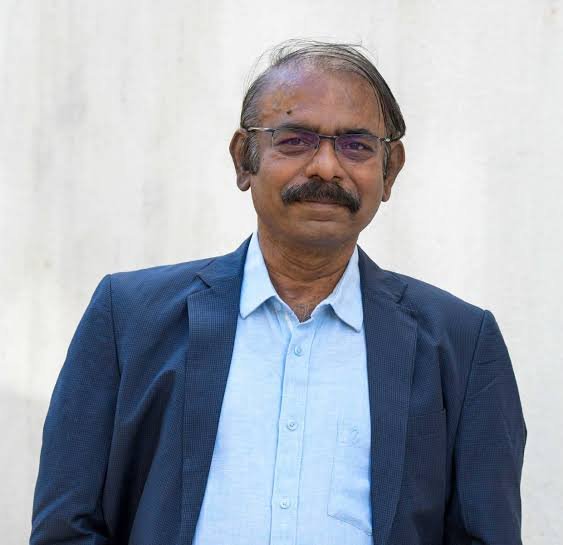
An experienced media professional whose work engages with journalism, ethics, accountability and the public sphere.
A. S. Panneerselvan served for nearly a decade as the Readers’ Editor of The Hindu, acting as an independent internal news ombudsman. He has worked across print and television journalism, taught journalism and written extensively on media and public affairs. He is also the author of Karunanidhi: A Life.
Faith and Sacred Figures in Journalism: Reporting with Truth, Sensitivity and Responsibility
Faith, Sacred Personalities, Freedom of Expression, Media Narratives and Responsible Journalism
The Career Planning Summit 2027 will be honoured by the presence of distinguished personalities from education, journalism, media, public service, social development and other professional fields.
The names and profiles of confirmed Chief Guests, Guests of Honour, Special Guests and VIP Guests will be published after receiving their formal consent.
The Advisory Committee brings together expertise in education, journalism, youth development and responsible public communication. Select a member to view basic details.
Educator, Certified Master Trainer and Author
Abid Mohiuddin is an educator and learning-and-development professional with an M.Tech. in Mechanical Engineering. He works in career planning, life skills, problem-solving, emotional intelligence and institutional learning programmes.
As the organiser of the Career Planning Summit 2027, he supports the programme’s educational direction, coordination and commitment to responsible communication.
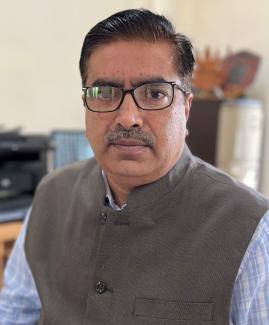
Journalism educator and academic associated with the Career Planning Summit 2027.
Prof. Ehtesham Ahmad Khan contributes academic insight relating to journalism education, media studies and the professional development of aspiring communicators.
He is associated with the Summit as an Advisory Committee Member, Featured Speaker and Open Forum Panellist, supporting its academic relevance and engagement with ethical journalism.
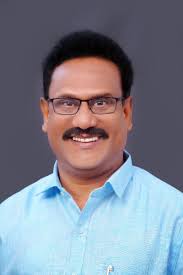
An experienced journalist and representative of working journalists in Telangana.
K. Virahat Ali brings professional experience in journalism and engagement with the concerns, responsibilities and welfare of working journalists.
His experience supports practical discussion of ethical journalism, professional responsibility and the realities faced by media practitioners.
The Organizing Committee is responsible for planning, coordination and implementation of the Career Planning Summit 2027.
Programme planning, speaker communication, session scheduling and academic coordination.
Venue coordination, registration, volunteer support, guest assistance, media, communications and event-day operations.
The names and responsibilities of confirmed committee members will be published progressively.
We welcome responsible institutional support for the Summit’s educational and community-focused objectives.
No sponsor has been confirmed at present. Confirmed sponsors, if any, will be listed here with their permission.
Volunteers can support participant guidance, registration, guest assistance, communications, media coordination and other event-day activities.
Roles, eligibility, responsibilities and the application process will be announced after the volunteer plan is finalised.
RealPath Academy welcomes suitable partnerships that extend educational opportunity and responsible community engagement.
Schools, colleges, universities and training institutions may participate through student nominations, academic collaboration, outreach and knowledge-sharing.
NGOs working in education, youth development, media literacy or community welfare may collaborate through outreach and programme support.
Newspapers, television channels, radio stations and digital media organisations may collaborate through summit coverage, public awareness, interviews and promotional support.
Confirmed partner organisations will be displayed here after formal approval.
A Career in Journalism
Opportunities • Ethics • Nation Building
Discover journalism as a career—and its responsibility to truth, people and society.
Free student participation for ages 13–25. Contributions are voluntary. Participation requires separate confirmation.
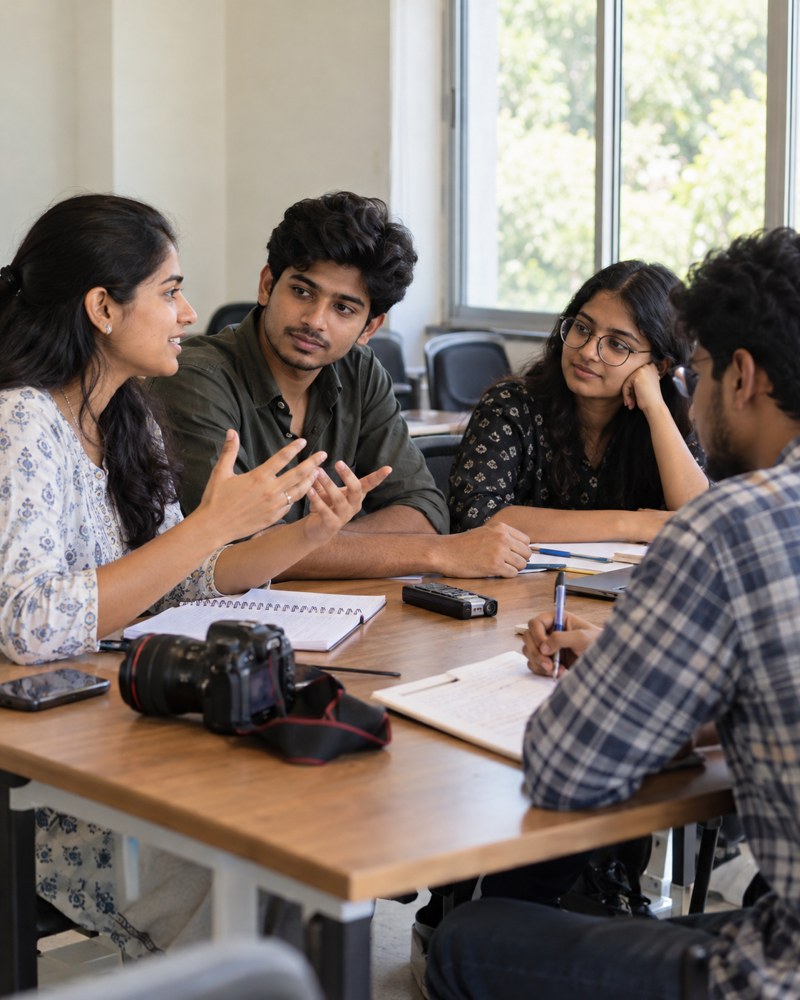
Meet experienced voices from journalism and education, explore career pathways, and reflect on the role of credible reporting in society.
Explore reporting, broadcasting, digital media and multimedia storytelling—and the skills these careers require.
Examine truth, accuracy, fairness, misinformation and the courage to ask responsible questions.
Understand how informed citizens, public accountability and social understanding depend on credible journalism.
Explore the speakers, panellists and their contributions to the Summit. Further profiles and programme updates are available in the speaker directory.
Founding Editor, The Wire
Opening Keynote & One-to-One Conversation
Journalism and the Cost of Lies: Ethics, Accountability and Public Responsibility
View profile →Senior Journalist and Former Executive Editor, NDTV South
Featured Speaker
Journalism and Nation Building: Informing, Uniting and Strengthening Society
View profile →Professor and Head, Mass Communication and Journalism, MANUU
Featured Speaker, Panellist & Advisory Member
Journalism education, ethical responsibility and career development
View profile →Journalist, Editor, Author and Journalism Educator
Featured Speaker & Distinguished Panellist
Faith and Sacred Figures in Journalism: Reporting with Truth, Sensitivity and Responsibility
View profile →Theologian, Philosopher, Writer and Speaker
Distinguished Panellist
Faith, Sacred Personalities, Freedom of Expression, Media Narratives and Responsible Journalism
View profile →Opening keynote on ethics, accountability and public responsibility.
Ethical Journalism: Principles, Courage and the Pursuit of Justice.
Potential, professional skills, digital media, faith and responsible journalism.
Informing, uniting and strengthening society.
The programme is tentative and may change according to speaker availability, venue requirements and organisational considerations.
View the complete tentative programme →Students aged 13–25 on 17 January 2027, from across India, are welcome to register for the event in Hyderabad.
Essays and videos are optional. Students under 18 require a parent or guardian declaration.
Open student registration →The current form prepares an email. Review it and press Send in your email app to submit. Attendance confirmation follows separately.
Contribute ₹100 or an amount of your choice towards event arrangements, educational materials, speaker travel and outreach.
Registration is free. Contributions do not influence registration, selection or awards.
View contribution options →Razorpay, UPI and bank-transfer details are available on the contribution page.
Represent a college, organisation or business? Explore support and partnership opportunities →
17 January 2027 in Hyderabad. The venue is being finalised and will be announced as preparations progress.
Yes. Student registration is free for ages 13–25 on the event date. Contributions are voluntary and are not a condition of participation.
No. Participation confirmation will be communicated separately. Please wait for confirmation and venue details before making travel arrangements.
No. You can register without submitting either. Optional essays of up to 1,000 words and videos of 60–90 seconds can be submitted on the topics listed in the registration form.
Complete the form, select Prepare Registration Email, then review and send the email. If no email app opens, send your details directly to realpathacademyevents@gmail.com.
Yes. Please contact the organising team to discuss the appropriate participation or partnership opportunity.
For registration, partnerships and programme enquiries:
+91 87124 03856realpathacademyevents@gmail.comRealPath Academy · Hyderabad
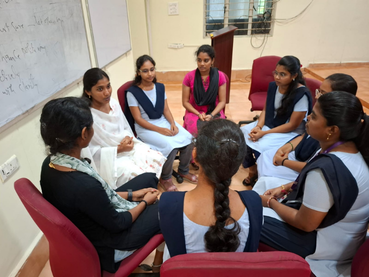
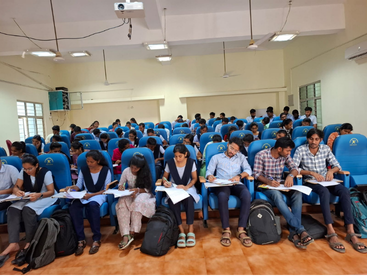
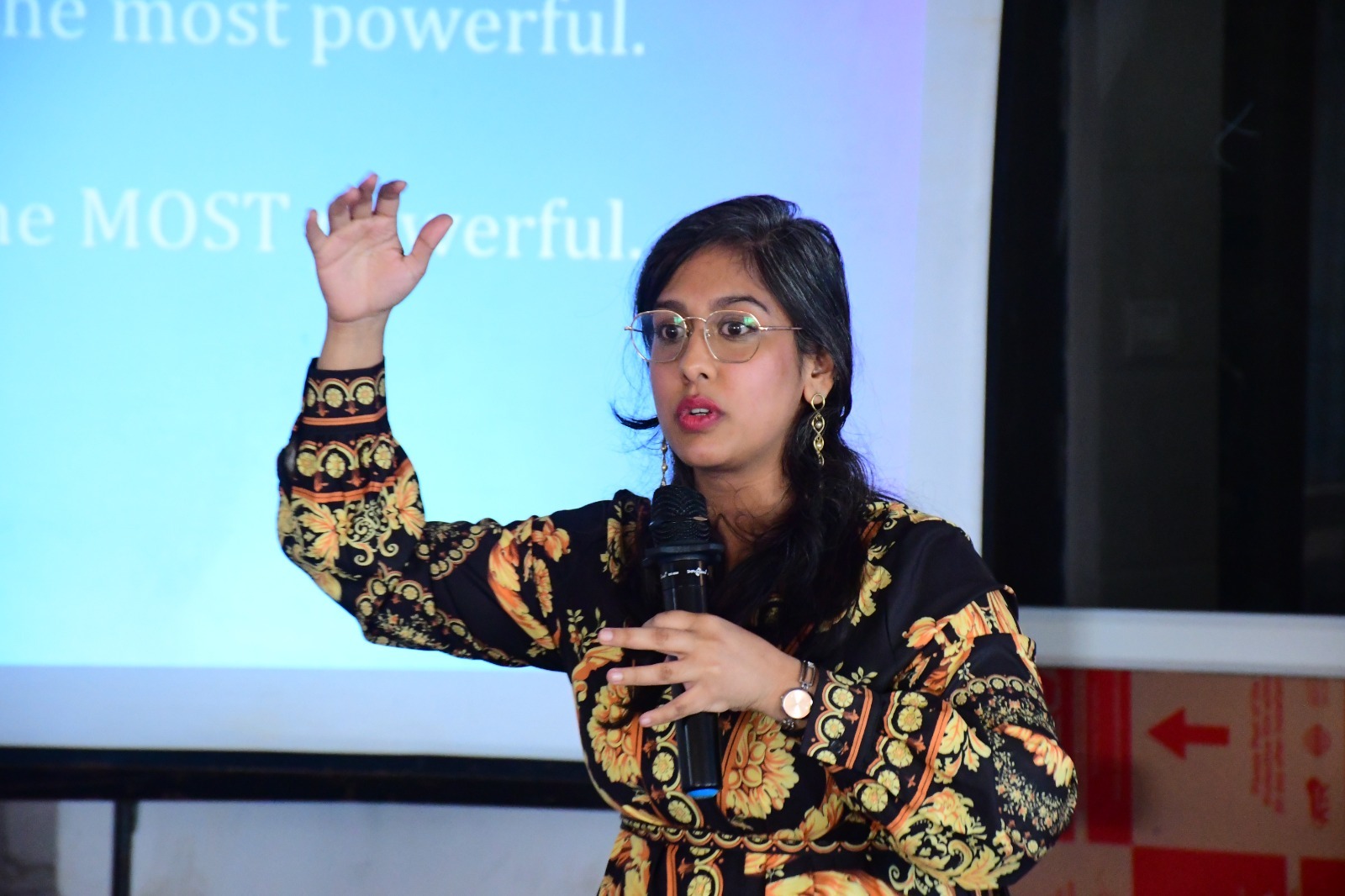
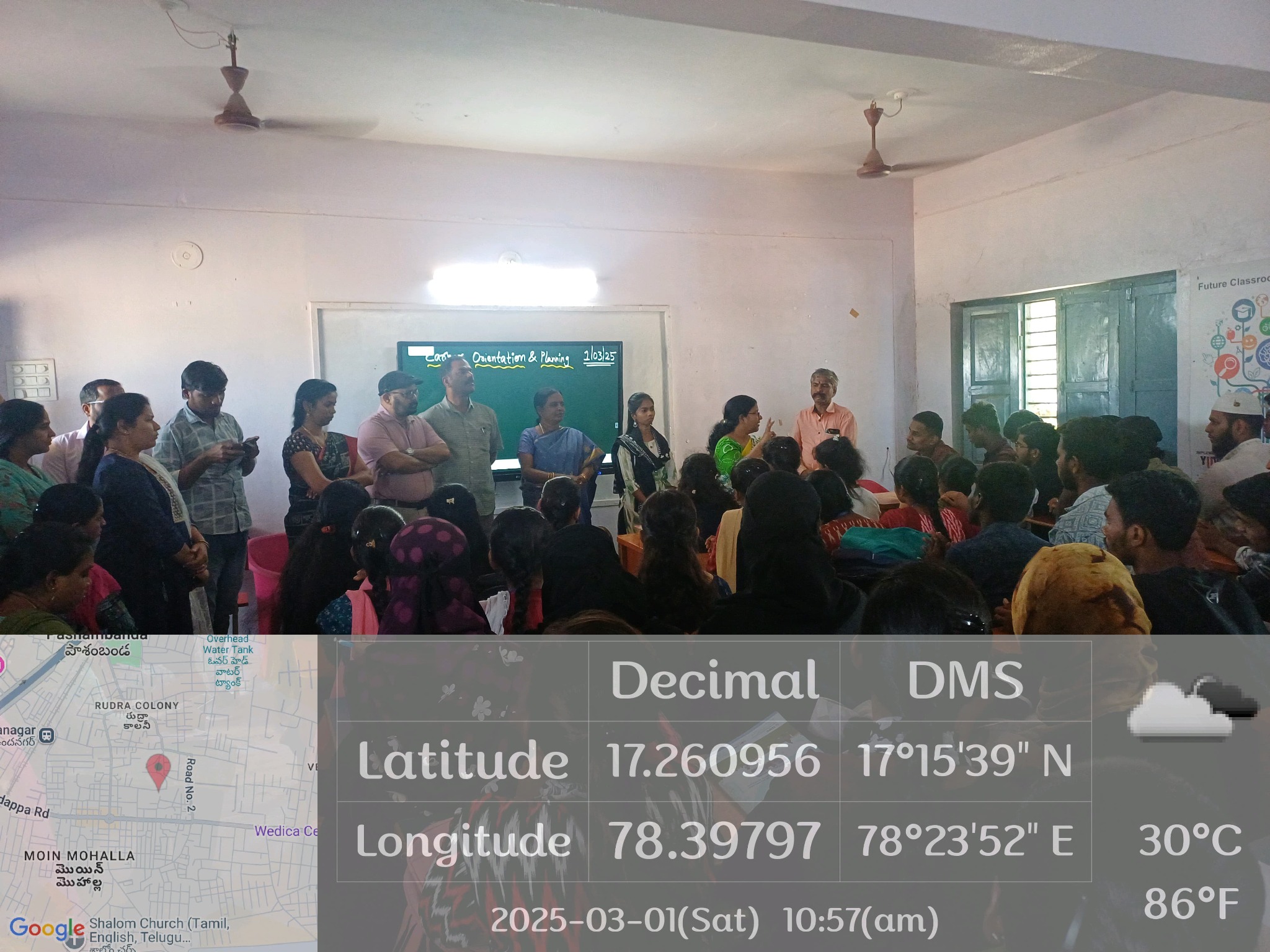
A glimpse into our learning, development and engagement initiatives.
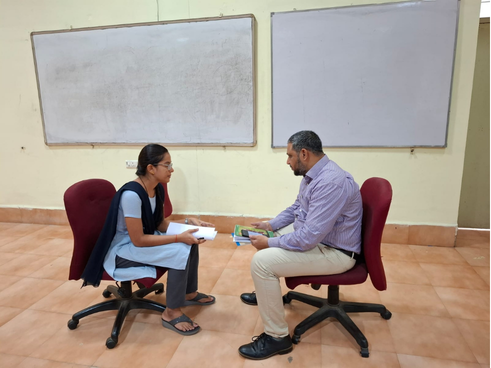
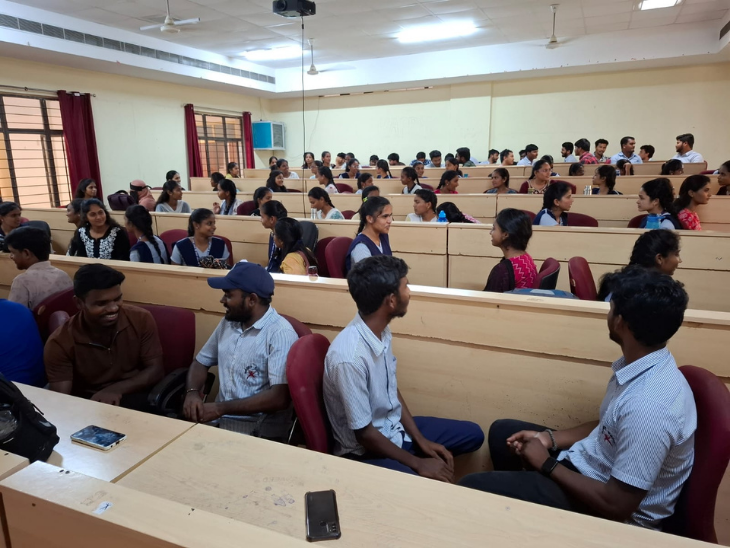
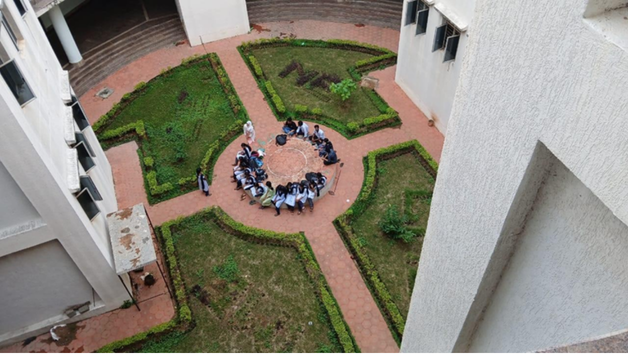

Explore subject-based learning, practical activities and resources for school students.
Academic programmes and subjects for college students will be added here.
Programme details will appear when the courses are ready. No enrolment is open on this page.
Build understanding through workshops, activities and guided practice.
Explore proposed workshop themes and enquire about school sessions.
Explore →Try three activities that connect ideas with practical tasks.
Explore →Use a printable five-question sample worksheet.
Explore →Programme reports and photographs will be added after verification.
Explore →Proposed themes for school sessions. Dates, fees, duration and class levels will be confirmed before registration.
These are workshop ideas, not scheduled events. Contact RealPath to discuss a session for your school.
Strengthen number sense, fractions and core arithmetic through guided examples.
Explore shapes, measurement, area and perimeter using familiar objects.
Use number patterns and simple situations to understand variables and equations.
Three simple activities for guided classroom learning or practice at home.
Learning goal: Understand equivalent fractions.
Extend: Show 1/2 as fourths and eighths.
Learning goal: Distinguish area from perimeter.
Both areas are 12 square units. The perimeters are 16 units and 14 units.
Learning goal: Describe a pattern using a rule.
The next terms are 11 and 13. The rule 2n + 1 works for positions beginning at n = 1.
A short Mathematics worksheet for practice. Print it or save it as a PDF from your browser.
Read the reference on this website.
Open reference →Pair of Linear Equations in Two Variables: 21 tasks with hidden answers.
Start practice →Name: ____________________ Date: ____________________
Show your working and include units where appropriate.
1. 7/8
2. ₹180
3. Area: 40 cm². Perimeter: 26 cm.
4. x = 5
5. 16, 19. Rule: 3n + 1 for n beginning at 1.
RealPath Academy has conducted Mathematics programmes at the following institutions.
Toli Chowki, Hyderabad
Aga Pura, Hyderabad
Purani Haveli, Hyderabad
School learning programmes and resources will be added here.
This subject page is ready for future workshops, activities and resources.
Chapter-wise words in Telugu, Roman Telugu and English.
447 vocabulary entries across all 12 chapters. This edition covers selected introductory and thematic words; it is not a complete word-by-word glossary of every lesson or exercise.
Roman Telugu helps with reading aloud. English meanings explain the words in their chapter context. Some entries use the base form of an inflected word.
447 words shown
No matching words.
Choose a chapter:
87 vocabulary entries
| Telugu word | Roman Telugu | English meaning |
|---|---|---|
| దానశీలము | Daanasheelamu | Generosity; the habit of giving |
| కర్ణుడు | Karnudu | Karna, a character in the Mahabharata |
| పూజామందిరం | Poojaamandiram | Prayer room; place of worship |
| సూర్యుడు | Sooryudu | The sun; the Sun deity in this story |
| ప్రత్యక్షమై | Pratyakshamai | Having appeared in person |
| పుత్రా | Putraa | O son! |
| కర్ణా | Karnaa | O Karna! |
| బ్రాహ్మణ | Braahmana | Brahmin |
| వేషంలో | Veshamlo | In the guise of; dressed as |
| ఇంద్రుడు | Indrudu | Indra, a deity |
| కవచకుండలాలను | Kavachakundalaalanu | The armour and earrings (as the object of the action) |
| దానంగా | Daanangaa | As a gift; in charity |
| అడుగుతాడు | Adugutaadu | He will ask |
| వాటిని | Vaatini | Them; those things |
| దానం | Daanam | Giving; charity; a gift |
| చేస్తే | Cheste | If you give/do |
| ప్రాణానికే | Praanaanike | To life itself |
| ముప్పు | Muppu | Danger; threat |
| వస్తుంది | Vastundi | Will come; will arise |
| నాయనా | Naayanaa | My son; an affectionate address |
| జాగ్రత్త | Jaagratta | Be careful; caution |
| తండ్రీ | Tandree | O father! |
| హాని | Haani | Harm |
| మనుష్యులు | Manushyulu | Human beings |
| వచ్చినా | Vachchinaa | Even if they come |
| నేను | Nenu | I |
| వెళ్ళి | Velli | Having gone |
| సంతోషిస్తా | Santoshistaa | I will be happy |
| కాని | Kaani | But |
| వారించకండి | Vaarinchakandi | Please do not stop or restrain |
| విరోచనుని | Virochanuni | Of Virochana |
| కుమారుడు | Kumaarudu | Son |
| బలి | Bali | Bali, the king in the lesson |
| చక్రవర్తి | Chakravarti | Emperor |
| ప్రహ్లాదుని | Prahlaaduni | Of Prahlada |
| మనుమడు | Manumadu | Grandson |
| శౌర్యపరాక్రమాలతో | Shauryaparaakramaalato | With courage and valour |
| స్వర్గలోకాన్ని | Svargalokaanni | The heavenly realm |
| ఆక్రమించాడు | Aakraminchadu | He occupied; he conquered |
| హరిదేవునితో | Haridevunito | With Lord Hari (Vishnu) |
| కొరతలు | Koratalu | Shortages; difficulties |
| వర్తమానాన్ని | Vartamaanaanni | The news; the report |
| ఇంద్రుని | Indruni | Of Indra |
| తీర్చమని | Teerchamani | Asking that they be resolved |
| వేడుకున్నాడు | Vedukunnadu | He pleaded |
| సంతోషించి | Santoshinchi | Having become pleased |
| చాలా | Chaalaa | Very; much |
| ఆనాడు | Aanaadu | On that day; at that time |
| యాగం | Yaagam | Sacrificial ritual |
| వామనుడు | Vaamanudu | Vamana, an incarnation of Vishnu |
| మూడడుగుల | Moodadugula | Of three steps |
| నేల | Nela | Land; ground |
| కోరగా | Koragaa | When he requested |
| మాట | Maata | Word; promise in this context |
| ఇచ్చాడు | Ichchaadu | He gave |
| దానవత్వాన్ని | Daanavatvaanni | Demonic nature |
| ఔన్నత్యాన్ని | Aunnatyaanni | Greatness; nobility |
| గొప్పతనాన్ని | Goppatanaanni | Greatness |
| ఉద్దేశం | Uddesham | Purpose; intention |
| ఇచ్చిన | Ichchina | Given |
| తప్పకపోవడం | Tappakapovadam | Not breaking or failing to keep |
| సంపాదించిన | Sampaadimchina | Earned; acquired |
| శక్తి | Shakti | Ability; strength |
| అతిథి | Atithi | Guest |
| అభ్యాగతులు | Abhyaagatulu | Visitors; guests who arrive |
| ఆదరించడం | Aadarimchadam | Welcoming with care and respect |
| మానవులు | Maanavulu | Human beings |
| మౌలిక | Maulika | Fundamental; basic |
| గుణాలు | Gunaalu | Qualities; virtues |
| పురాణాలు | Puraanaalu | Traditional sacred narratives |
| చరిత్ర | Charitra | History |
| మహానుభావులు | Mahaanubhaavulu | Great and noble people |
| కథలు | Kathalu | Stories |
| స్ఫూర్తి | Sphoorti | Inspiration |
| అవసరం | Avasaram | Need; necessity |
| గురువు | Guruvu | Teacher; spiritual guide |
| కోరిక | Korika | Wish; request |
| అద్భుత | Adbhuta | Wonderful; extraordinary |
| సన్నివేశం | Sannivesham | Scene; episode |
| రమణీయ | Ramaneeya | Beautiful; pleasing |
| శైలి | Shaili | Style |
| ఆస్వాదించడం | Aasvaadimchadam | Enjoying; appreciating |
| ధనం | Dhanam | Wealth; money |
| సంపద | Sampada | Wealth; prosperity |
| సత్యం | Satyam | Truth |
| దాత | Daata | Donor; generous giver |
| దానశీలుడు | Daanasheeludu | A person inclined to give generously |
34 vocabulary entries
| Telugu word | Roman Telugu | English meaning |
|---|---|---|
| ఎవరి | Evari | Whose; of whom |
| భాష | Bhaasha | Language |
| వాళ్ళకు | Vaallaku | To them; for them |
| వినసొంపు | Vinasompu | Pleasantness to the ear |
| తెలంగాణ | Telamgaana | Telangana |
| యాస | Yaasa | Regional accent; dialectal speech |
| బతుకు | Batuku | Life; livelihood |
| సంస్కృతి | Samskruti | Culture |
| పలుకుబళ్ళు | Palukuballu | Expressions; idiomatic usages |
| జీవితం | Jeevitam | Life |
| ధైర్యం | Dhairyam | Courage |
| రాస్త | Raasta | I write (regional form) |
| మాట్లాడ్త | Maatlaadta | I speak (regional form) |
| గిట్లనే | Gitlane | In this very way (regional form) |
| రాయాలె | Raayaale | Should write (regional form) |
| గౌరవించుకోవాలె | Gauravimchukovaale | Should honour or respect (regional form) |
| కవులు | Kavulu | Poets |
| రచయితలు | Rachayitalu | Writers |
| గుర్తించి | Gurtimchi | Having recognised |
| భావన | Bhaavana | Idea; way of thinking |
| బానిస | Baanisa | Slave; subservient person |
| తీర్లు | Teerlu | Kinds; ways |
| బడిపలుకులు | Badipalukulu | School-taught forms of speech |
| పలుకుబడులు | Palukubadulu | Expressions; ways of speaking |
| నుడికారం | Nudikaaram | Idiomatic expression |
| సొంపు | Sompu | Charm; beauty |
| జాతీయాలు | Jaateeyaalu | Idioms |
| పరిపూర్ణం | Paripoornam | Complete; fully developed |
| సౌందర్యం | Saumdaryam | Beauty |
| బేరీజు | Bereeju | Assessment; weighing up |
| గొప్పతనం | Goppatanam | Greatness |
| ప్రాంతీయ | Praamteeya | Regional |
| సొగసు | Sogasu | Grace; charm |
| ప్రధానోద్దేశం | Pradhaanoddesham | Main purpose |
36 vocabulary entries
| Telugu word | Roman Telugu | English meaning |
|---|---|---|
| వీర | Veera | Brave; heroic |
| గుండెల | Gumdela | Of hearts |
| బిగువు | Biguvu | Firmness; strength |
| తెలిపింది | Telipimdi | Made known; revealed |
| జోదులు | Jodulu | Warriors; valiant people |
| తెగువ | Teguva | Boldness; daring |
| దేశం | Desham | Country |
| పేరు | Peru | Name; reputation |
| పరాన్నభుక్కులు | Paraannabhukkulu | People who live on others' food or labour |
| బల్లెము | Ballemu | Spear |
| దేశద్రోహులు | Deshadrohulu | Traitors to the country |
| తావు | Taavu | Place; scope |
| చాటి | Chaati | Having proclaimed |
| ఢంకా | Dhamkaa | Large drum; drumbeat |
| దౌర్జన్యం | Daurjanyam | Oppression; violent abuse |
| జయభేరి | Jayabheri | Drum announcing victory |
| రైతులు | Raitulu | Farmers |
| పోరాటం | Poraatam | Struggle; resistance |
| వీరులు | Veerulu | Heroes; brave people |
| పురిటిగడ్డ | Puritigadda | Birthplace; native soil |
| యోధులు | Yodhulu | Warriors |
| విముక్తి | Vimukti | Liberation |
| తుదిశ్వాస | Tudishvaasa | Last breath |
| రజాకార్లు | Rajaakaarlu | Razakars; the historical militia referred to in the lesson |
| అరాచకత్వం | Araachakatvam | Lawlessness; violent disorder |
| రణక్షేత్రం | Ranakshetram | Battlefield |
| అస్తిత్వం | Astitvam | Existence; identity |
| పరిరక్షణ | Parirakshana | Protection; preservation |
| ప్రజాసమూహం | Prajaasamooham | Community; body of people |
| ధిక్కారస్వరం | Dhikkaarasvaram | Voice of defiance |
| ఆయుధం | Aayudham | Weapon |
| అక్షరాయుధం | Aksharaayudham | Writing used as a weapon of resistance |
| సాహిత్యం | Saahityam | Literature |
| త్యాగాలు | Tyaagaalu | Sacrifices |
| స్మరించడం | Smarimchadam | Remembering; commemorating |
| స్వస్థానాభిమానం | Svasthaanaabhimaanam | Affection and pride for one's native place |
39 vocabulary entries
| Telugu word | Roman Telugu | English meaning |
|---|---|---|
| కొత్త | Kotta | New |
| బాటలు | Baatalu | Paths; ways |
| మార్గం | Maargam | Route; path |
| ఇళ్ళు | Illu | Houses |
| ఇటుకలు | Itukalu | Bricks |
| గోడలు | Godalu | Walls |
| వెల్ల | Vella | Whitewash; lime coating |
| వసారా | Vasaaraa | Veranda |
| ఆకర్షణీయమైన | Aakarshaneeyamaina | Attractive |
| పూలు | Poolu | Flowers |
| చిత్రించబడి | Chitrimchabadi | Having been painted or depicted |
| మట్టి | Matti | Earth; soil |
| తాటియాకులు | Taatiyaakulu | Palmyra leaves |
| కప్పు | Kappu | Roof; covering |
| పేదలు | Pedalu | Poor people |
| ధనికులు | Dhanikulu | Wealthy people |
| ప్రవేశద్వారం | Praveshadvaaram | Entrance |
| కుండీ | Kumdee | Plant pot |
| తులసిమొక్క | Tulasimokka | Holy basil plant |
| పసిపిల్లలు | Pasipillalu | Young children |
| ఊరకుక్కలు | Oorakukkalu | Stray or village dogs |
| దుమ్ము | Dummu | Dust |
| స్త్రీలు | Streelu | Women |
| బియ్యం | Biyyam | Uncooked rice |
| నీరు | Neeru | Water |
| సందు | Samdu | Lane; narrow passage |
| పల్లె | Palle | Village |
| వాతావరణం | Vaataavaranam | Surroundings; atmosphere |
| మార్పులు | Maarpulu | Changes |
| స్వాతంత్ర్యం | Svaatamtryam | Independence |
| క్రమానుసారంగా | Kramaanusaaramgaa | In sequence; in order |
| పరిణామాలు | Parinaamaalu | Developments; changes |
| పర్యవసానాలు | Paryavasaanaalu | Consequences |
| ఆధిపత్యశక్తులు | Aadhipatyashaktulu | Dominant powers |
| సామాన్యుడు | Saamaanyudu | Ordinary person |
| విజయాలు | Vijayaalu | Victories; successes |
| సంకేతాత్మకంగా | Samketaatmakamgaa | Symbolically |
| చైతన్యం | Chaitanyam | Awareness; consciousness |
| నిదర్శనం | Nidarshanam | Example; evidence |
41 vocabulary entries
| Telugu word | Roman Telugu | English meaning |
|---|---|---|
| నగరగీతం | Nagarageetam | Song of the city |
| చాటుమాటుగా | Chaatumaatugaa | Secretly; discreetly |
| అర్ధరాత్రి | Ardharaatri | Midnight |
| కన్నీళ్ళు | Kanneellu | Tears |
| సంసారం | Samsaaram | Family life; household |
| బరువు | Baruvu | Weight; burden |
| సమీక్షించు | Sameekshimchu | To examine; to review |
| ఆకుపచ్చని | Aakupachchani | Green |
| చెట్టు | Chettu | Tree |
| ఆహ్లాదభరితమైన | Aahlaadabharitamaina | Pleasant; filled with delight |
| రేకులు | Rekulu | Sheets; here roofing sheets |
| మాడిపోకుండా | Maadipokumdaa | Without getting scorched |
| నరకప్రాయమైన | Narakapraayamaina | Hell-like; extremely miserable |
| నాగరికత | Naagarikata | Civilisation; urban way of life |
| నరనరానా | Naranaraanaa | In every fibre of one's being |
| కవిత | Kavita | Poem |
| వాక్యాలు | Vaakyaalu | Sentences; lines |
| విద్య | Vidya | Learning; skill |
| కవిత్వం | Kavitvam | Poetry |
| నిత్యనూతనంగా | Nityanootanamgaa | Ever fresh; continually new |
| ఆణిముత్యం | Aanimutyam | Fine pearl; a precious literary gem |
| నివాసం | Nivaasam | Residence; dwelling |
| ఆధునిక | Aadhunika | Modern |
| ఉపాధి | Upaadhi | Employment; livelihood |
| అవకాశాలు | Avakaashaalu | Opportunities |
| బతుకుతెరువు | Batukuteruvu | Means of livelihood |
| వలసలు | Valasalu | Migrations |
| అనుకూలాంశాలు | Anukoolaamshaalu | Favourable aspects |
| వినియోగం | Viniyogam | Use; utilisation |
| జనాభా | Janaabhaa | Population |
| సమస్యలు | Samasyalu | Problems |
| ప్రపంచీకరణ | Prapamcheekarana | Globalisation |
| ప్రభావం | Prabhaavam | Influence; effect |
| శరవేగంగా | Sharavegamgaa | At great speed |
| మధ్యతరగతి | Madhyataragati | Middle class |
| యాంత్రిక | Yaamtrika | Mechanical |
| పరాయీకరణ | Paraayeekarana | Alienation; estrangement |
| నేపథ్యం | Nepathyam | Background; context |
| యథార్థం | Yathaartham | Reality; actuality |
| వాస్తవాలు | Vaastavaalu | Facts; realities |
| నిర్వచించడం | Nirvachimchadam | Defining; explaining precisely |
35 vocabulary entries
| Telugu word | Roman Telugu | English meaning |
|---|---|---|
| భాగ్యోదయం | Bhaagyodayam | Rise of good fortune; dawn of prosperity |
| రాజ్యాంగం | Raajyaamgam | Constitution |
| నిర్మాత | Nirmaata | Maker; creator |
| చరిత్రకారుడు | Charitrakaarudu | Historian |
| జాతీయతావాది | Jaateeyataavaadi | Nationalist |
| తత్త్వశాస్త్రవేత్త | Tattvashaastravetta | Philosopher |
| దళిత | Dalita | Dalit; a historically oppressed community identity |
| నాయకుడు | Naayakudu | Leader |
| అస్పృశ్యత | Asprushyata | Untouchability |
| నివారించడం | Nivaarimchadam | Preventing; removing |
| అభ్యున్నతి | Abhyunnati | Advancement; uplift |
| కృషి | Krushi | Effort; dedicated work |
| నిమ్న | Nimna | Lower; disadvantaged in this social context |
| వర్గాలు | Vargaalu | Groups; social sections |
| ఆత్మవిశ్వాసం | Aatmavishvaasam | Self-confidence |
| పెంపొందించడం | Pempomdimchadam | Developing; fostering growth |
| లక్ష్యం | Lakshyam | Goal; aim |
| సమాన | Samaana | Equal |
| హక్కులు | Hakkulu | Rights |
| కల్పించడం | Kalpimchadam | Providing; ensuring |
| ఉత్కృష్టమైన | Utkrushtamaina | Excellent; outstanding |
| రూపొందించాడు | Roopomdimchaadu | He formulated; he created |
| విదేశాలు | Videshaalu | Foreign countries |
| అభ్యసించి | Abhyasimchi | Having studied |
| మహామేధావి | Mahaamedhaavi | A person of exceptional intellect |
| గుర్తింపు | Gurtimpu | Recognition |
| స్వయంకృషి | Svayamkrushi | Self-directed effort |
| సాధించగలరు | Saadhimchagalaru | Can achieve |
| సామాజిక | Saamaajika | Social |
| భాగస్వామ్యం | Bhaagasvaamyam | Participation; partnership |
| చైతన్యం | Chaitanyam | Awareness |
| స్వార్థం | Svaartham | Selfishness |
| ప్రగతి | Pragati | Progress |
| వ్యక్తిత్వం | Vyaktitvam | Personality; character |
| స్ఫూర్తి | Sphoorti | Inspiration |
33 vocabulary entries
| Telugu word | Roman Telugu | English meaning |
|---|---|---|
| శతకం | Shatakam | A collection of approximately one hundred verses |
| మధురిమ | Madhurima | Sweetness; charm |
| నల్ల | Nalla | Black |
| గొంగడి | Gomgadi | Coarse woollen blanket |
| చల్ల | Challa | Buttermilk |
| మల్లెపూలు | Mallepoolu | Jasmine flowers |
| విధము | Vidhamu | Manner; kind |
| వేపాకు | Vepaaku | Neem leaf |
| తేనె | Tene | Honey |
| సమము | Samamu | Equal |
| తియ్యము | Tiyyamu | Sweetness |
| వెల్లిపాయలు | Vellipaayalu | Garlic bulbs |
| గంధము | Gamdhamu | Fragrance; sandalwood in context |
| పరిమళించు | Parimalimchu | To give out fragrance |
| విరులు | Virulu | Flowers (poetic word) |
| కుక్కతోక | Kukkatoka | Dog's tail |
| రాతిగుండు | Raatigumdu | Stone weight |
| వంక | Vamka | Bend; crookedness |
| కొన | Kona | Tip; end |
| కొంటెలు | Komtelu | Mischievous or ill-behaved people |
| సజ్జనులు | Sajjanulu | Good and virtuous people |
| ఆత్మపరిశుద్ధులు | Aatmaparishuddhulu | People pure in heart |
| భక్తులు | Bhaktulu | Devotees |
| చక్రధర | Chakradhara | Bearer of the discus; an epithet of Vishnu |
| సార్వభౌమ | Saarvabhauma | Sovereign ruler |
| సమాజహితం | Samaajahitam | Welfare of society |
| రచనలు | Rachanalu | Writings; compositions |
| పరిస్థితులు | Paristhitulu | Conditions; circumstances |
| నైతిక | Naitika | Ethical; moral |
| ఆధ్యాత్మిక | Aadhyaatmika | Spiritual |
| విలువలు | Viluvalu | Values |
| పద్యాలు | Padyaalu | Verses |
| కృషి | Krushi | Effort |
22 vocabulary entries
| Telugu word | Roman Telugu | English meaning |
|---|---|---|
| లక్ష్యసిద్ధి | Lakshyasiddhi | Achievement of a goal |
| జూన్ | Joon | June |
| వివిధ | Vividha | Various |
| దినపత్రికలు | Dinapatrikalu | Daily newspapers |
| సంపాదకీయ | Sampaadakeeya | Editorial |
| శీర్షికలు | Sheershikalu | Headings; titles |
| వార్త | Vaarta | News; news report |
| ప్రాధాన్యం | Praadhaanyam | Importance; significance |
| వ్యాఖ్యలు | Vyaakhyalu | Comments; commentary |
| సమాజం | Samaajam | Society |
| చైతన్యం | Chaitanyam | Awareness |
| తోడ్పడుతాయి | Todpadutaayi | They help; they contribute |
| విద్యార్థులు | Vidyaarthulu | Students |
| వ్యాసాలు | Vyaasaalu | Essays; articles |
| అభిరుచి | Abhiruchi | Interest; taste |
| ఆసక్తి | Aasakti | Interest; curiosity |
| సాధారణ | Saadhaarana | Ordinary; general |
| తేడా | Tedaa | Difference |
| అర్థం | Artham | Meaning; understanding |
| ఉద్దేశించినది | Uddeshimchinadi | Intended; designed |
| ప్రత్యేకత | Pratyekata | Distinctive feature |
| తెలుసుకోవచ్చు | Telusukovachchu | Can learn; can find out |
28 vocabulary entries
| Telugu word | Roman Telugu | English meaning |
|---|---|---|
| జీవనభాష్యం | Jeevanabhaashyam | Interpretation or commentary on life |
| పరులు | Parulu | Other people |
| పాటుపడని | Paatupadani | Not striving or working for |
| నరుడు | Narudu | Human being; person |
| బతుకు | Batuku | Life |
| మూగ | Mooga | Silent; unable to speak |
| నేల | Nela | Land; ground |
| వాగు | Vaagu | Stream |
| పరుగు | Parugu | Running; flow |
| జల్లు | Jallu | Drizzle |
| ఎండ | Emda | Sunshine; heat of the sun |
| చిల్లులు | Chillulu | Holes |
| గొడుగు | Godugu | Umbrella |
| పదములు | Padamulu | Words; poetic lines |
| అడుగు | Adugu | Step |
| ఆంతర్యం | Aamtaryam | Underlying meaning; inner intent |
| నిరుత్సాహం | Nirutsaaham | Discouragement |
| ప్రయత్నం | Prayatnam | Effort; attempt |
| సాధించవచ్చు | Saadhimchavachchu | Can achieve |
| దుఃఖం | Duhkham | Sorrow |
| కష్టాలు | Kashtaalu | Difficulties |
| ఎదుర్కొంటూ | Edurkomtoo | While facing or confronting |
| ఎదుగుతూ | Edugutoo | While growing; developing |
| జీవించే | Jeevimche | Living; who lives |
| గౌరవం | Gauravam | Respect |
| గజల్ | Gajal | Ghazal; a form of lyric poetry |
| ప్రక్రియ | Prakriya | Literary form; genre |
| పరిచయం | Parichayam | Introduction; acquaintance |
30 vocabulary entries
| Telugu word | Roman Telugu | English meaning |
|---|---|---|
| గోలకొండ | Golakomda | Golconda; a place name |
| పట్టణము | Pattanamu | Town |
| చిత్రం | Chitram | Picture |
| జెండా | Jemdaa | Flag |
| ఎగురవేశారు | Eguraveshaaru | Hoisted; made to fly |
| కోట | Kota | Fort |
| ప్రత్యేకతలు | Pratyekatalu | Distinctive features |
| చారిత్రక | Chaaritraka | Historical |
| కట్టడాలు | Kattadaalu | Structures; monuments |
| కొదువ | Koduva | Shortage; lack |
| ఘనమైన | Ghanamaina | Great; distinguished |
| ప్రాధాన్యం | Praadhaanyam | Importance |
| సంతరించుకొన్నది | Samtarimchukonnadi | Acquired; came to possess |
| ప్రాశస్త్యం | Praashastyam | Renown; distinction |
| నిర్మాణం | Nirmaanam | Construction; structure |
| మంచినీటి | Mamchineeti | Of drinking water; fresh water |
| వసతులు | Vasatulu | Facilities |
| కల్పన | Kalpana | Provision; arrangement |
| అద్భుత | Adbhuta | Wonderful; remarkable |
| సాంకేతిక | Saamketika | Technical; technological |
| ప్రపంచస్థాయి | Prapamchasthaayi | World-class; global scale |
| వర్తక | Vartaka | Commercial; relating to trade |
| వ్యాపారాలు | Vyaapaaraalu | Businesses; trading activities |
| ఆహారపుటలవాట్లు | Aahaaraputalavaatlu | Food habits |
| కార్యకలాపాలు | Kaaryakalaapaalu | Activities |
| పరిశ్రమలు | Parishramalu | Industries |
| ప్రాముఖ్యత | Praamukhyata | Importance; prominence |
| వచన | Vachana | Prose |
| రచనా | Rachanaa | Relating to writing |
| శైలి | Shaili | Style |
32 vocabulary entries
| Telugu word | Roman Telugu | English meaning |
|---|---|---|
| భిక్ష | Bhiksha | Alms; food received as charity |
| కోపము | Kopamu | Anger |
| శత్రువు | Shatruvu | Enemy |
| శాంతము | Shaamtamu | Calmness; peace |
| రక్ష | Raksha | Protection |
| దయ | Daya | Compassion |
| చుట్టము | Chuttamu | Relative; kin |
| సంతోషము | Samtoshamu | Happiness |
| స్వర్గము | Svargamu | Heaven |
| దుఃఖము | Duhkhamu | Sorrow |
| నరకము | Narakamu | Hell |
| తథ్యము | Tathyamu | Truth; certainty |
| అనర్థాలు | Anarthaalu | Harmful consequences; calamities |
| సంఘటనలు | Samghatanalu | Incidents; events |
| వేదవిభజన | Vedavibhajana | Division or compilation of the Vedas |
| పంచమవేదం | Pamchamavedam | The fifth Veda; a title for the Mahabharata |
| మహాభారతం | Mahaabhaaratam | The Mahabharata epic |
| పురాణాలు | Puraanaalu | Traditional sacred narratives |
| బ్రహ్మజ్ఞాని | Brahmajnyaani | A person with knowledge of ultimate reality |
| వేదవ్యాసుడు | Vedavyaasudu | Veda Vyasa; the sage named in the lesson |
| పరమపవిత్రం | Paramapavitram | Supremely sacred |
| ప్రీతిపాత్రం | Preetipaatram | Dear; beloved |
| శిష్యులు | Shishyulu | Disciples; students |
| నివసించాడు | Nivasimchaadu | He lived; he resided |
| భిక్షాటనం | Bhikshaatanam | Going out to seek alms |
| సమర్పించి | Samarpimchi | Having offered |
| భుజించేవారు | Bhujimchevaaru | They used to eat |
| పరీక్షించు | Pareekshimchu | To test |
| సంకల్పం | Samkalpam | Resolve; intention |
| సందర్భం | Samdarbham | Occasion; context |
| ఆకలి | Aakali | Hunger |
| విచక్షణ | Vichakshana | Discernment; sound judgment |
30 vocabulary entries
| Telugu word | Roman Telugu | English meaning |
|---|---|---|
| భూమిక | Bhoomika | Preface; introductory background |
| పుస్తకాలు | Pustakaalu | Books |
| రెక్కలు | Rekkalu | Wings |
| మొలిచినట్లు | Molichinatlu | As if they had sprouted |
| జ్ఞానం | Jnyaanam | Knowledge |
| ఆలోచనాశక్తి | Aalochanaashakti | Power of thought |
| సృజనాత్మకత | Srujanaatmakata | Creativity |
| నైపుణ్యం | Naipunyam | Skill; expertise |
| లోకపరిశీలన | Lokaparisheelana | Observation of the world |
| దృష్టి | Drushti | Vision; perspective |
| జిజ్ఞాస | Jijnyaasa | Desire to know; intellectual curiosity |
| ఉత్సాహం | Utsaaham | Enthusiasm |
| ఉత్తమమిత్రుడు | Uttamamitrudu | A good or excellent friend |
| శరీరం | Shareeram | Body |
| వ్యాయామం | Vyaayaamam | Physical exercise |
| శక్తి | Shakti | Strength; energy |
| మనసు | Manasu | Mind; heart |
| ఉత్తేజం | Uttejam | Stimulation; encouragement |
| ఎంపిక | Empika | Choice; selection |
| పరిచయవాక్యాలు | Parichayavaakyaalu | Introductory statements |
| మార్గదర్శనం | Maargadarshanam | Guidance |
| ప్రయోజనాలు | Prayojanaalu | Benefits |
| అంశం | Amsham | Aspect; point |
| ముందుమాట | Mumdumaata | Foreword; preface |
| ప్రాథమిక | Praathamika | Basic; preliminary |
| అవగాహన | Avagaahana | Understanding; awareness |
| ఆసక్తి | Aasakti | Interest |
| ఆతురత | Aaturata | Eagerness |
| స్వరూపస్వభావాలు | Svaroopasvabhaavaalu | Essential form and characteristics |
| ఉద్దేశం | Uddesham | Purpose; intention |
Read the corrected reference directly on this page: number concepts, algebra, geometry, trigonometry and essential methods.
Complex numbers have the form a + bi, with real a and b; i² = −1. Real numbers have b = 0 and are rational or irrational. Natural ⊂ Whole ⊂ Integers ⊂ Rational ⊂ Real ⊂ Complex.
Natural numbers (here): 1, 2, 3, …
Whole numbers start from 0: 0, 1, 2, 3, …
Integers: …, −2, −1, 0, 1, 2, …
Rational numbers: p/q, where p and q are integers and q ≠ 0; includes terminating and recurring decimals.
Irrational numbers cannot be expressed as p/q: √2, √3, π, e.
Pure imaginary numbers: bi, with real b ≠ 0.
A prime has exactly two positive factors: 1 and itself.
Primes below 100: 2, 3, 5, 7, 11, 13, 17, 19, 23, 29, 31, 37, 41, 43, 47, 53, 59, 61, 67, 71, 73, 79, 83, 89, 97.
A composite is a positive integer greater than 1 with more than two positive factors. 1 is neither prime nor composite.
Even integers are divisible by 2; odd integers are not.
(+) × (+) = (+); (+) × (−) = (−); (−) × (+) = (−); (−) × (−) = (+). The same sign rules apply to division by a nonzero number.
BODMAS: brackets, orders (powers/roots), division and multiplication left to right, then addition and subtraction left to right.
1 cm = 10 mm; 1 m = 100 cm; 1 km = 1000 m.
1 g = 1000 mg; 1 kg = 1000 g.
π ≈ 3.14; √2 ≈ 1.414; √3 ≈ 1.732; √5 ≈ 2.236.
1. (a + b)² = a² + 2ab + b²
2. (a − b)² = a² − 2ab + b²
3. (a + b)(a − b) = a² − b²
4. (a + b + c)² = a² + b² + c² + 2ab + 2bc + 2ca
5. (a + b)³ = a³ + 3a²b + 3ab² + b³
6. (a − b)³ = a³ − 3a²b + 3ab² − b³
For nonzero a, b and integer m, n:
aᵐ × aⁿ = aᵐ⁺ⁿ; aᵐ ÷ aⁿ = aᵐ⁻ⁿ; (aᵐ)ⁿ = aᵐⁿ.
(ab)ᵐ = aᵐbᵐ; (a/b)ᵐ = aᵐ/bᵐ.
a⁰ = 1; a⁻ᵐ = 1/aᵐ; (a/b)⁻ᵐ = (b/a)ᵐ.
For a > 0 and positive integer n: a^(1/n) = ⁿ√a; a^(m/n) = ⁿ√(aᵐ).
0ᵐ = 0 for m > 0.
Square: perimeter = 4s; area = s².
Rectangle: perimeter = 2(l + b); area = lb.
Triangle: area = ½bh. Parallelogram: area = bh.
Trapezium: area = ½(a + b)h; a and b are the parallel sides.
Right triangle: c² = a² + b², where c is the hypotenuse.
Circle: circumference = 2πr; area = πr²; diameter = 2r.
Semicircle: area = ½πr².
Sector: area = (θ/360°)πr²; arc length = (θ/360°)2πr. Here θ is in degrees.
2: last digit is even.
3: sum of digits is divisible by 3.
5: last digit is 0 or 5.
7: double the last digit and subtract it from the remaining number; repeat if needed. The original is divisible by 7 when the result is.
11: the difference between sums of alternate digits is 0 or a multiple of 11.
For an acute angle θ in a right triangle:
sin θ = opposite/hypotenuse; cos θ = adjacent/hypotenuse; tan θ = opposite/adjacent.
cosec θ = 1/sin θ; sec θ = 1/cos θ; cot θ = cos θ/sin θ.
tan θ = sin θ/cos θ; cot θ = 1/tan θ where defined.
sin²θ + cos²θ = 1; sec²θ − tan²θ = 1; cosec²θ − cot²θ = 1.
sin(90° − θ) = cos θ; cos(90° − θ) = sin θ; tan(90° − θ) = cot θ.
Ratios and identities apply where their denominators are nonzero.
| θ | 0° | 30° | 45° | 60° | 90° |
|---|---|---|---|---|---|
| sin θ | 0 | 1/2 | 1/√2 | √3/2 | 1 |
| cos θ | 1 | √3/2 | 1/√2 | 1/2 | 0 |
| tan θ | 0 | 1/√3 | 1 | √3 | Undefined |
1. Addition of Numbers i. If both numbers are positive: Add them and put a positive sign. ii. If both numbers are negative: Add them and put a negative sign. iii. If one number is positive and the other is negative: Subtract the smaller absolute value from the larger absolute value and put the sign of the number with the larger absolute value.
2. Multiplication of Signs (+) × (+) = (+) −×−=+ (+) × (−) = (−) −×+=−
3. Multiplication of Integers with Signs First, multiply the signs, then multiply the numbers.
4. Division of Integers with Signs i. If the numerator and denominator have positive signs: Divide the numbers; the answer is positive. ii. If the numerator and denominator have negative signs: Cancel the signs and divide the numbers; the answer is positive. iii. If the numerator and denominator have opposite signs: Divide the numbers; the answer is negative.
5. Addition of Fractions Make the denominators the same, add the numerators, keep the common denominator, and simplify the fraction.
6. Multiplication of Fractions i. Cancel common factors between the numerator and denominator, if possible. ii. Multiply the numerators together and multiply the denominators together. iii. Simplify the answer.
7. Division of Fractions Keep the first fraction as it is, change division into multiplication, take the reciprocal of the second fraction, and multiply.
8. Converting a Fraction into a Decimal Divide the numerator by the denominator to get the decimal.
9. Converting a Decimal into a Fraction Remove the decimal point and write the number over the corresponding power of 10 in the denominator, then simplify. 10. Cross-Multiplication For an equation involving two fractions, multiply the numerator of one fraction by the denominator of the other fraction and set the two cross-products equal.
11. Divisibility Criteria i. Divisibility by 2: A number is divisible by 2 if its last digit is even. ii. Divisibility by 3: Add the digits. If the sum is divisible by 3, the number is divisible by 3. iii. Divisibility by 5: A number is divisible by 5 if its last digit is 0 or 5.
12. Finding Square Roots by Prime Factorisation Write the number as a product of prime factors and take one factor out of the square root for every pair of identical factors.
13. Finding Cube Roots by Prime Factorisation Write the number as a product of prime factors and take one factor out of the cube root for every group of three identical factors.
14. Laws of Exponents i. If the bases are the same and multiplication is between them, add the powers. ii. If the bases are the same and division is between them, subtract the powers. iii. If a power is raised to another power, multiply the powers.
15. Simplifying Algebraic Expressions Remove brackets, combine like terms, and arrange the expression in standard form.
16. Solving a Linear Equation in One Variable i. Bring the variable terms to one side and the constants to the other side. When a term is moved to the other side, its sign changes. ii. Finally, take the coefficient of the variable to the other side. If it is multiplied by the variable, divide by it. If it is dividing the variable, multiply by it.
17. Solving Two Linear Equations by the Elimination Method i. Make the coefficient of one variable the same in both equations. ii. Check the signs of the same variable. If the signs are the same, change the signs of one equation and add them. If the signs are opposite, simply add the equations. iii. Eliminate that variable. iv. Find the value of the remaining variable. v. Substitute the value in one of the equations and find the value of the other variable. 18. Solving a Factorable Quadratic Equation by Splitting the Middle Term i. Bring all the terms to one side and write the equation in standard form. ii. Multiply the coefficient of the x² term by the constant term and call the result M. iii. Choose two numbers whose product is M and whose sum is equal to the coefficient of x. iv. Rewrite the x term using these two numbers. v. Take common factors from the first two terms and the last two terms. vi. Take the common factor from the two groups. Now the equation is in factorised form. vii. Equate each factor to zero and find the two values of the variable.
Build your foundation for Class X Mathematics. These guided problems help Class VIII and IX students practise solving equations formed from word problems. Read each question, use the given equations, and work on paper before opening the answer. The final five tasks are Challenge Practice. Exercise labels follow the supplied worksheet.
Neha went to a sale to purchase some pants and skirts. When her friend asked her how many of each she had bought, she answered, “The number of skirts is two less than twice the number of pants purchased, and the number of skirts is four less than four times the number of pants purchased.” Help her friend find how many pants and skirts Neha bought.
x = pants; y = skirts
y = 2x − 2
y = 4x − 4
Solve using substitution or elimination. Verify your answer in both equations.
x = 1; y = 0.
The supplied conditions give one pair of pants and zero skirts.
Ten students of Class X took part in a mathematics quiz. The number of girls was four more than the number of boys. Find the number of boys and girls who took part in the quiz.
x = boys; y = girls
x + y = 10
y = x + 4
Solve using substitution or elimination. Verify your answer in both equations.
x = 3; y = 7.
Five pencils and seven pens together cost ₹50, whereas seven pencils and five pens together cost ₹46. Find the cost of one pencil and one pen.
x = cost of a pencil (₹); y = cost of a pen (₹)
5x + 7y = 50
7x + 5y = 46
Solve using substitution or elimination. Verify your answer in both equations.
x = 3; y = 5.
Half the perimeter of a rectangular garden is 36 m. If its length is 4 m more than its width, find the dimensions of the garden.
x = length (m); y = width (m)
x + y = 36
x = y + 4
Solve using substitution or elimination. Verify your answer in both equations.
x = 20; y = 16.
The area of a rectangle is reduced by 80 square units when its length is reduced by 5 units and its breadth is increased by 2 units. If the length is increased by 10 units and the breadth is decreased by 5 units, the area increases by 50 square units. Find the length and breadth of the rectangle.
x = length; y = breadth (units)
2x − 5y = −70
−5x + 10y = 100
Solve using substitution or elimination. Verify your answer in both equations.
x = 40; y = 30.
These come from (x − 5)(y + 2) = xy − 80 and (x + 10)(y − 5) = xy + 50.
In a class, if three students sit on each bench, one student will be left without a seat. If four students sit on each bench, one bench will be left unoccupied. Find the number of students and benches in the class.
x = students; y = benches
x − 3y = 1
x − 4y = −4
Solve using substitution or elimination. Verify your answer in both equations.
x = 16; y = 5.
The ratio of the incomes of two persons is 9 : 7, and the ratio of their expenditures is 4 : 3. If each of them saves ₹2,000 per month, find their monthly incomes.
Incomes are ₹9x and ₹7x; expenditures are ₹4y and ₹3y.
9x − 4y = 2000
7x − 3y = 2000
Solve using substitution or elimination. Verify your answer in both equations.
x = 2000; y = 4000.
Monthly incomes: ₹18,000 and ₹14,000.
The sum of a two-digit number and the number obtained by reversing its digits is 66. If the digits of the number differ by 2, find the number. How many such numbers are there?
x = tens digit; y = units digit. Solve both cases.
x + y = 6
Case 1: x − y = 2; Case 2: y − x = 2
Solve using substitution or elimination. Verify your answer in both equations.
x = 4; y = 2.
Case 1: 42. Case 2: x = 2, y = 4, giving 24. Two possible numbers.
The larger of two supplementary angles exceeds the smaller angle by 18°. Find the two angles.
x = larger angle; y = smaller angle (degrees)
x + y = 180
x − y = 18
Solve using substitution or elimination. Verify your answer in both equations.
x = 99; y = 81.
Taxi charges in Hyderabad consist of a fixed charge and an additional charge based on the distance travelled. A minimum fixed amount is charged for the first 3 km. After that, an additional amount is charged for every kilometre travelled. For a journey of 10 km, the total charge is ₹166. For a journey of 15 km, the total charge is ₹256. i. Find the fixed charge and the charge per kilometre after the first 3 km. ii. How much will a person have to pay for travelling a distance of 25 km?
x = fixed charge for first 3 km (₹); y = charge per additional km (₹). Hypothetical exercise.
x + 7y = 166
x + 12y = 256
Solve using substitution or elimination. Verify your answer in both equations.
x = 40; y = 18.
For 25 km: 40 + (25 − 3) × 18 = ₹436.
A fraction becomes 4/5 when 1 is added to both its numerator and denominator. If 5 is subtracted from both its numerator and denominator, the fraction becomes 1/2. Find the original fraction.
x = numerator; y = denominator
5x − 4y = −1
2x − y = 5
Solve using substitution or elimination. Verify your answer in both equations.
x = 7; y = 9.
Original fraction: 7/9. Derived from (x + 1)/(y + 1) = 4/5 and (x − 5)/(y − 5) = 1/2.
Places A and B are 100 km apart on a highway. One car starts from A and another car starts from B at the same time, travelling at different speeds. If the cars travel in the same direction, they meet after 5 hours. If they travel towards each other, they meet after 1 hour. Find the speeds of the two cars.
x = faster speed; y = slower speed (km/h)
x − y = 20
x + y = 100
Solve using substitution or elimination. Verify your answer in both equations.
x = 60; y = 40.
Two angles are complementary. The larger angle is 3° less than twice the measure of the smaller angle. Find the measure of each angle.
x = smaller angle; y = larger angle (degrees)
x + y = 90
y = 2x − 3
Solve using substitution or elimination. Verify your answer in both equations.
x = 31; y = 59.
A dictionary has a total of 1,382 pages. It is divided into two parts. The second part has 64 pages more than the first part. How many pages are there in each part of the book?
x = pages in first part; y = pages in second part
x + y = 1382
y = x + 64
Solve using substitution or elimination. Verify your answer in both equations.
x = 659; y = 723.
A chemist has two solutions of hydrochloric acid in stock. One is a 50% solution and the other is an 80% solution. How much of each solution should be used to obtain 100 ml of a 68% solution?
x = volume of 50% solution; y = volume of 80% solution (ml). Mathematics exercise.
x + y = 100
0.50x + 0.80y = 68
Solve using substitution or elimination. Verify your answer in both equations.
x = 40; y = 60.
You have savings of ₹12,000 and want to invest the amount in two schemes offering annual interest rates of 10% and 15%. How much should be invested in each scheme to earn an overall annual interest rate of 12%?
x = amount at 10%; y = amount at 15% (₹). Hypothetical annual simple interest.
x + y = 12000
0.10x + 0.15y = 1440
Solve using substitution or elimination. Verify your answer in both equations.
x = 7200; y = 4800.
Solve the pair of equations by reducing them to a pair of linear equations: 5/(x − 1) + 1/(y − 2) = 2 and 6/(x − 1) − 3/(y − 2) = 1.
Let A = 1/(x − 1), B = 1/(y − 2). x ≠ 1; y ≠ 2.
5A + B = 2
6A − 3B = 1
Solve using substitution or elimination. Verify your answer in both equations.
A = 1/3; B = 1/3.
A = 1/3, B = 1/3. Therefore original x = 4, y = 5.
Solve the equations 6x + 3y = 6xy and 2x + 4y = 5xy. Check whether any solutions are excluded when dividing by xy.
Original: 6x + 3y = 6xy; 2x + 4y = 5xy. For nonzero x, y, let A = 1/x, B = 1/y.
3A + 6B = 6
4A + 2B = 5
Solve using substitution or elimination. Verify your answer in both equations.
A = 1; B = 1/2.
A = 1, B = 1/2, giving original x = 1, y = 2. Also (0, 0) satisfies the original equations and is excluded by division by xy.
A boat travels 30 km upstream and 44 km downstream in 10 hours. In 13 hours, it can travel 40 km upstream and 55 km downstream. Determine the speed of the stream and the speed of the boat in still water.
Let A = 1/(x − y), B = 1/(x + y); x = boat speed, y = stream speed. x > y ≥ 0.
30A + 44B = 10
40A + 55B = 13
Solve using substitution or elimination. Verify your answer in both equations.
A = 1/5; B = 1/11.
Upstream speed 5 km/h; downstream speed 11 km/h. Boat speed 8 km/h; stream speed 3 km/h.
Rahim travels 600 km to his home, partly by train and partly by car. He takes 8 hours when he travels 120 km by train and the remaining distance by car. He takes 20 minutes longer when he travels 200 km by train and the remaining distance by car. Find the speeds of the train and the car.
Let A = 1/x, B = 1/y; x = train speed, y = car speed (km/h).
120A + 480B = 8
200A + 400B = 25/3
Solve using substitution or elimination. Verify your answer in both equations.
A = 1/60; B = 1/80.
Train speed 60 km/h; car speed 80 km/h.
Two women and five men can together complete an embroidery work in 4 days, while three women and six men can complete it in 3 days. Find the time taken by one woman working alone and one man working alone to complete the work.
x = work done by one woman per day; y = work done by one man per day
2x + 5y = 1/4
3x + 6y = 1/3
Solve using substitution or elimination. Verify your answer in both equations.
x = 1/18; y = 1/36.
One woman alone: 18 days. One man alone: 36 days.